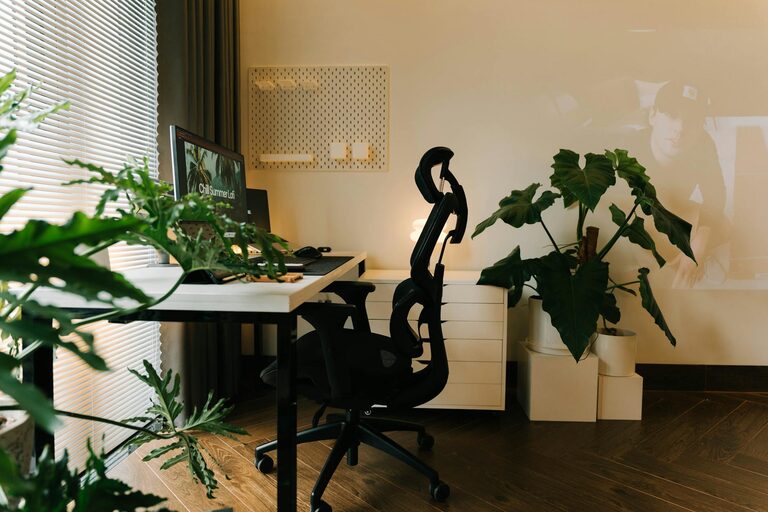
Creating a home office that feels inviting and supports productivity can make a big difference in your daily routine. Whether you work remotely full-time or occasionally need a quiet place to focus, designing a space that balances comfort and function is key. If you’re thinking about setting up a new home office or refreshing your current one, this guide offers helpful tips to make the most of your workspace.
Choose the Right Location
Consider Natural Light
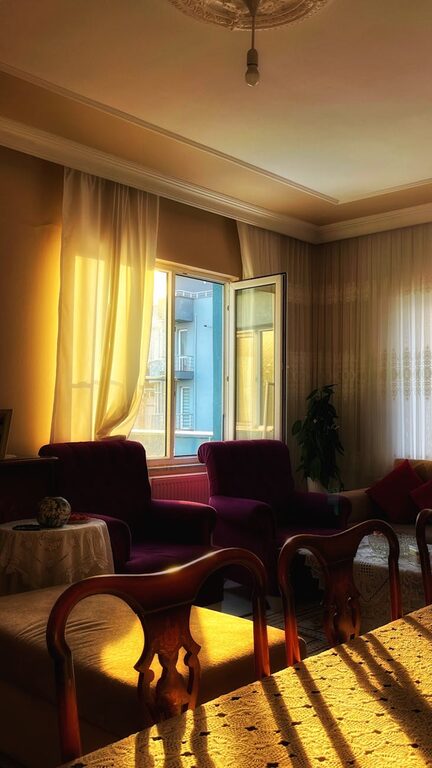
If possible, choose a spot near a window. Natural light helps improve mood and energy levels. Position your desk so the daylight comes from the side to avoid glare on your screen.
Minimize Distractions
Look for a quiet corner away from high-traffic areas like the kitchen or living room. If space is limited, consider using room dividers or curtains to create a sense of separation.
Invest in Comfortable and Functional Furniture
Opt for an Ergonomic Chair
Since you may spend several hours sitting, a good chair that supports your back is essential. Look for adjustable height and lumbar support to maintain good posture.
Pick the Right Desk
Choose a desk that fits your needs – maybe one with drawers for storage or a larger surface for multiple monitors. Adjustable desks that allow sitting and standing are also worth considering.
Organize Your Space Efficiently
Use Storage Solutions
Clutter can reduce focus. Keep supplies, documents, and equipment organized with shelves, filing cabinets, or desk organizers. Label items to find them easily.
Cable Management
Tidy up wires with clips or cable sleeves to prevent tangles and keep the area neat.
Set Up Proper Lighting
Combine Ambient and Task Lighting
In addition to natural light, use a bright overhead light and a desk lamp focused on your workspace. Adjustable lamps help reduce eye strain during late work sessions.
Choose Warm or Neutral Light Bulbs
Soft white or daylight bulbs are easy on the eyes and create a pleasant atmosphere.
Personalize Your Workspace
Add Plants and Decor
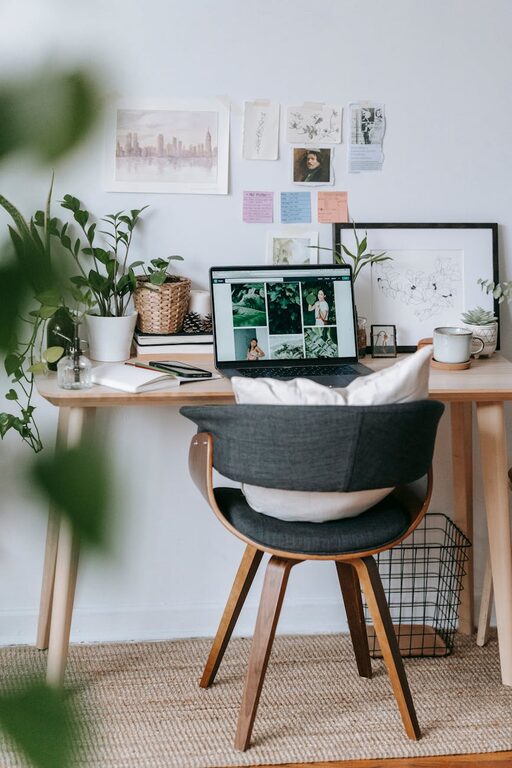
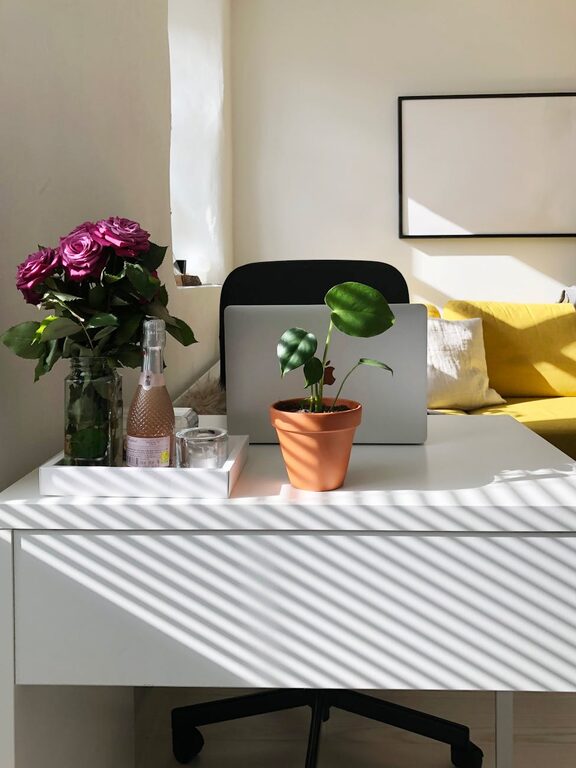
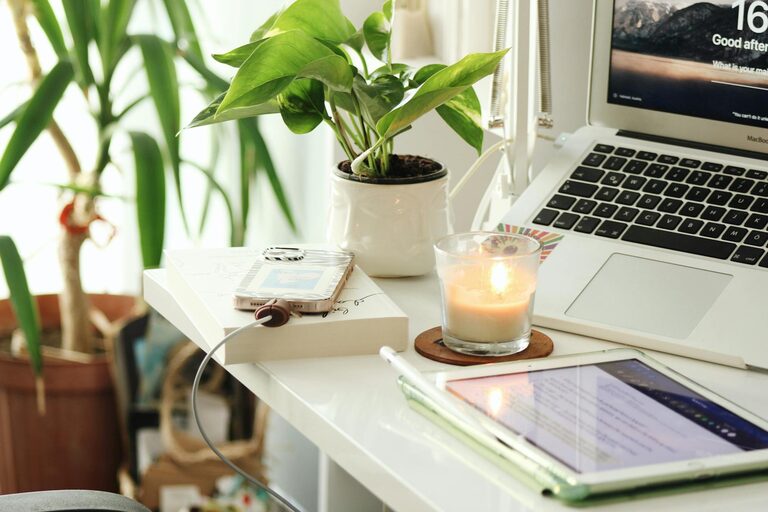
Houseplants improve air quality and add a touch of greenery, which can be calming. Artwork, photos, or inspirational quotes can make your space feel welcoming and motivate you.
Select Soothing Colors
Colors like soft blues, greens, or neutrals help create a calm environment. Avoid overly bright or distracting tones.
Minimize Noise and Improve Acoustics
Use Noise-Canceling Solutions
If noise is a concern, consider noise-canceling headphones or white noise machines. Soft furnishings like rugs, curtains, and cushions also absorb sound.
Soundproofing Tips
For rooms with persistent noise, adding heavy curtains or acoustic panels may help.
Maintain Good Air Quality and Temperature
Ventilation
Open windows regularly to refresh the air. If outside noise is an issue, air purifiers can improve indoor air quality.
Climate Control
Keep the room at a comfortable temperature with a fan, heater, or air conditioner as needed.
Establish Boundaries Between Work and Relaxation
Define Work Hours
Create a routine that signals the start and end of your workday, helping you switch off mentally when needed.
Keep Work Items Only in Your Office
Avoid letting work materials spill into living areas to maintain work-life balance.
Final Thoughts
Designing a home office that is both inviting and functional requires thoughtful planning. By choosing the right location, investing in ergonomic furniture, organizing your supplies, and adding personal touches, you can create a space that boosts your productivity and makes working from home enjoyable. Remember, everyone’s needs and tastes are different, so tailor your workspace to what feels best for you. A well-designed office can make all the difference in how you work and feel each day.
About the Author