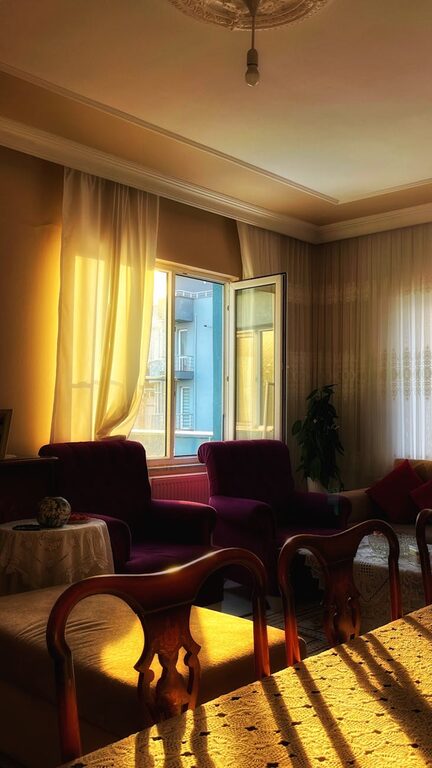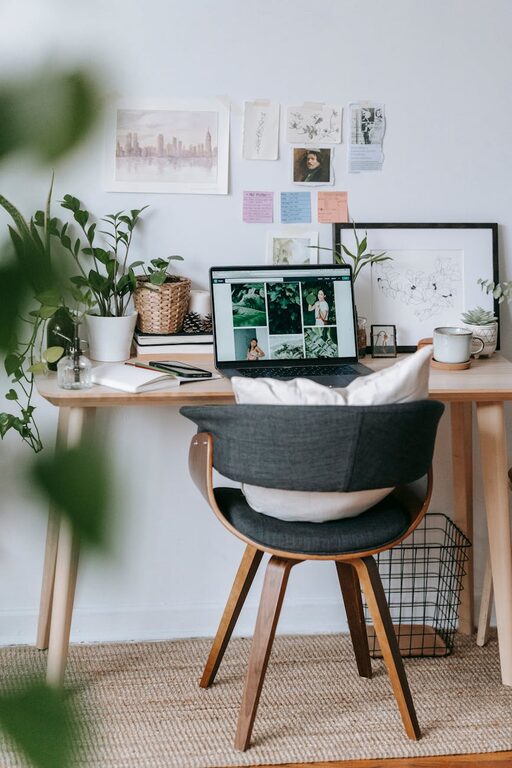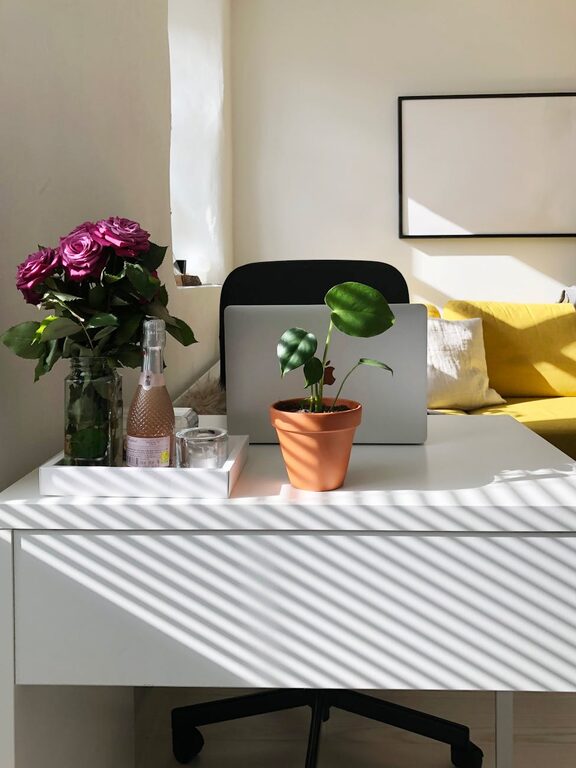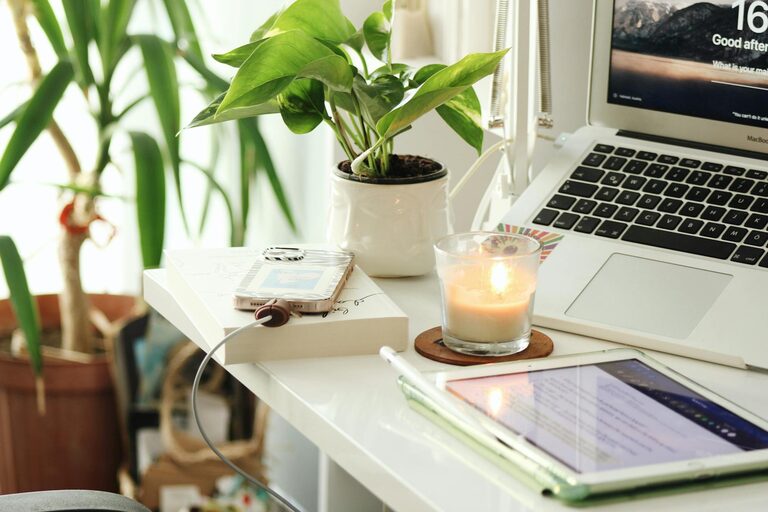
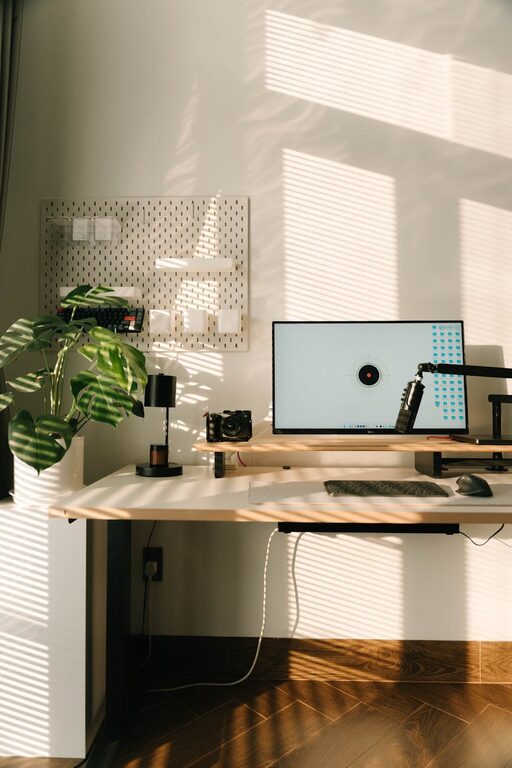
Creating a relaxing home office space is essential for maintaining focus and boosting productivity, especially as many people continue to work remotely or spend more time at home. A comfortable and well-designed workspace can reduce stress, increase motivation, and make your workday more enjoyable. Whether you have a dedicated room or just a corner in your living area, applying thoughtful ideas can transform your home office into a productivity haven.
Why a Relaxing Workspace Matters
Your environment greatly influences your ability to concentrate and feel motivated. A cluttered, noisy, or uncomfortable space can lead to distractions and burnout. Conversely, a relaxing workspace helps you stay calm, energized, and clear-headed. Creating such an environment encourages a healthier work-life balance and supports consistent productivity.
Choose the Right Location
Finding the best spot for your home office is the first step. Ideally, select a quiet area with minimal foot traffic to minimize interruptions.
– Natural light: Position your desk near windows if possible. Natural light improves mood and reduces eye strain.
– Away from distractions: Keep your workspace separate from entertainment areas or high-traffic zones in your home.
– Space availability: Even a small corner can work if organized thoughtfully.
Invest in Comfortable Furniture
Furniture choice plays a key role in comfort and focus.
– Ergonomic chair: Look for adjustable chairs that provide proper support to your back and encourage good posture.
– Desk height: Your desk should allow your arms to rest comfortably at about a 90-degree angle while typing.
– Additional seating: Consider a small lounge chair or cushion for breaks and brainstorming sessions.
Keep Your Space Organized
Clutter can hinder your ability to think clearly. Use storage solutions to maintain a neat and inviting environment.
– Shelves and drawers: Use shelves, filing cabinets, or boxes to keep documents and supplies sorted.
– Cable management: Organize cords with clips or sleeves to avoid tangled wires.
– Daily clean-up: Spend a few minutes at the end of each day tidying your desk.
Personalize with Calming Elements
Adding simple touches can make your home office feel like a peaceful retreat.
– Plants: Indoor plants improve air quality and create a soothing atmosphere.
– Colors: Use soft, neutral colors or pastels to create a calming visual backdrop.
– Artwork: Hang inspiring or nature-themed prints that bring positivity.
– Lighting: Use warm desk lamps or adjustable lighting to avoid harsh glare.
Minimize Noise Distractions
Working quietly helps you concentrate better.
– Noise-cancelling headphones: These can block out household noise or distractions.
– Soft background music: Some people find instrumental or nature sounds helpful for focus.
– Soundproofing: Use rugs, curtains, or foam panels to reduce echo and external noise.
Create a Dedicated Work Routine
Having a routine that signals the start and end of your work time helps separate your professional tasks from your personal life.
– Daily start rituals: A morning coffee or organizing your desk each day can set a productive tone.
– Break times: Incorporate regular breaks away from your desk to recharge.
– Closing ritual: Power down your computer and tidy your workspace to mark the end of your day.
Use Technology Wisely
Technology can boost productivity but also cause distractions if unmanaged.
– Good Wi-Fi connection: Ensure fast and reliable internet for online meetings and research.
– Organized digital files: Keep your computer desktop and folders tidy.
– Focus tools: Use apps or browser extensions that block distracting websites during work hours.
Maintain Good Air Quality and Temperature
Comfortable temperature and fresh air influence how well you concentrate.
– Ventilation: Open windows when possible or use air purifiers.
– Climate control: Adjust your thermostat to a comfortable temperature, generally between 68-72°F (20-22°C).
Final Thoughts
Creating a relaxing home office space that supports productivity doesn’t require a major renovation or expensive upgrades. With a few thoughtful adjustments—like choosing the right location, investing in comfortable furniture, organizing supplies, and adding calming touches—you can build an environment that makes working from home both efficient and enjoyable. Remember, your workspace should work for you, reflecting your preferences and helping you maintain balance throughout your workday.
About the Author