Creating a sustainable and eco-friendly home garden is a wonderful way to connect with nature while reducing your environmental impact. Whether you have a large backyard or a small balcony, adopting green practices in your gardening routine helps conserve resources, supports biodiversity, and can even save you money. This guide offers easy-to-follow tips for cultivating a thriving garden that benefits both you and the planet.
Why Choose a Sustainable Garden?
Sustainable gardening focuses on working with natural systems rather than against them. It aims to:
– Minimize waste and pollution
– Reduce water usage
– Foster healthy soil
– Encourage wildlife habitat
– Promote biodiversity
By taking these actions, you not only grow your own plants but contribute to a healthier environment.
Planning Your Eco-Friendly Garden
1. Select Native and Adapted Plants
Native plants are naturally suited to your local climate and soil conditions. They require less water, fertilizers, and pesticides, making them easier to maintain and better for the ecosystem. Look for plant varieties that attract pollinators such as bees, butterflies, and birds.
2. Consider Edible Plants
Growing fruits, vegetables, and herbs provides fresh produce right outside your door, reducing food miles and packaging waste. Choose seasonal crops suited to your area and companion plant species to improve growth and deter pests naturally.
3. Design for Water Efficiency
Plan your garden layout with water conservation in mind:
– Group plants with similar water needs together
– Use drip irrigation or soaker hoses to reduce water loss
– Plant drought-tolerant species in sunny areas
Soil Health Practices
Healthy soil is the foundation of a sustainable garden. It retains moisture, provides nutrients, and supports beneficial organisms.
4. Compost Organic Waste
Instead of sending kitchen scraps and yard waste to the landfill, create a compost pile or bin. Compost enriches soil with natural nutrients, reducing the need for synthetic fertilizers.
5. Use Mulch
Apply organic mulch such as wood chips, straw, or leaves around your plants. Mulch helps retain soil moisture, suppress weeds, and break down into valuable organic matter.
6. Avoid Chemical Fertilizers and Pesticides
Opt for natural alternatives like compost tea, neem oil, or insecticidal soap. These options protect beneficial insects and keep soil and water free from harmful chemicals.
Water Conservation Tips
Water is a precious resource, and gardens should use it wisely.
7. Collect Rainwater
Set up rain barrels or other catchment systems to collect runoff from gutters. This water can be used to irrigate plants during dry spells.
8. Water Early or Late
Applying water during cooler parts of the day reduces evaporation and ensures plants absorb more moisture.
9. Repair Leaks and Monitor Usage
Regularly check hoses, irrigation systems, and faucets for leaks. Fix them promptly to avoid wasting water.
Supporting Wildlife
A sustainable garden can provide habitat for many helpful creatures.
10. Create Shelter and Nesting Sites
Add birdhouses, butterfly houses, or log piles to encourage beneficial insects and animals to visit your garden.
11. Avoid Lawn Chemicals
Pesticides and herbicides harm insects and birds. Use manual weeding and encourage natural predators to keep pests in balance.
Other Eco-Friendly Gardening Tips
12. Reuse and Recycle Materials
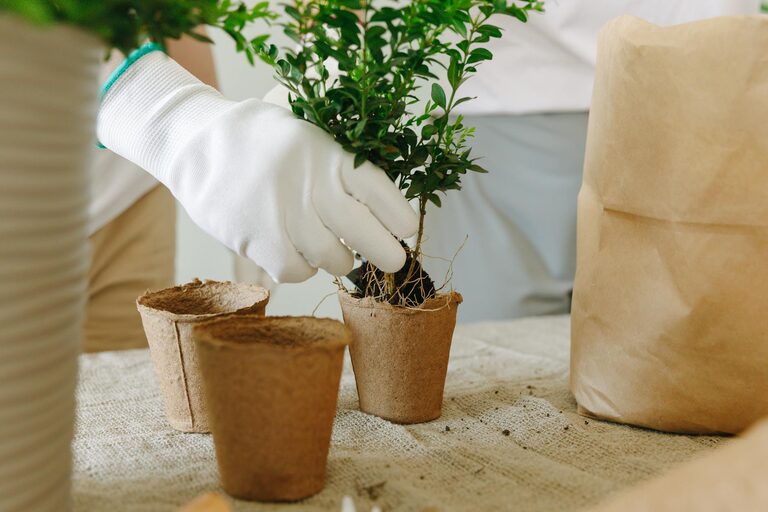
Use reclaimed wood, recycled containers, or repurpose household items like old buckets as planters. This reduces waste and gives your garden character.
13. Choose Sustainable Tools and Supplies
Look for gardening tools made from durable, eco-friendly materials. Supporting local nurseries and suppliers reduces your carbon footprint.
14. Practice Crop Rotation
Rotate crops yearly to prevent soil depletion and control pests naturally.
Conclusion
Building an eco-friendly and sustainable home garden takes some planning and care, but the rewards are well worth it. By choosing native plants, conserving water, enriching soil naturally, and supporting wildlife, your garden becomes a vibrant, healthy space that contributes positively to the environment. Start small, learn as you go, and enjoy the many benefits of sustainable gardening.
Happy gardening!
About the Author